
Article #15
Healthy People, Healthy Communities
Caring for Your Bones and Joints at Every Age
In this Empowering the Citizen Patient article, retired family physician Dr. Mindy Smith explains how our bones and joints change as we age, why these changes matter, and what we can do to protect mobility and independence. Drawing on years of clinical experience, she outlines practical steps to prevent bone loss, manage joint pain, and stay active as we age.
Most of us do not think about our bones or joints until something hurts, or breaks. Yet they support every step we take, from getting out of bed to carrying groceries or gardening, and they are central to living independently.
The human skeleton is a wonder! It is made up of 206 bones, eight large joints (hips, knees, shoulders, and elbows), and hundreds of smaller joints that allow us to lift, bend, move, and stay active. Our bone strength comes from its density and quality, keeping those bones as strong as possible. Regular weight-bearing exercise—such as walking, jogging, or dancing—helps maintain bone strength. Muscle-strengthening exercises, including resistance training or movements like pushups, are also important. Nutrition matters too: calcium, vitamin D, protein, and other minerals help keep bones strong. Avoiding smoking and limiting alcohol further protect bone health.
Bone Health and Osteoporosis
After about age 40, bones naturally begin to lose density. For women, this often speeds up during menopause. When bone density drops below normal, it is called low bone mass (older term was osteopenia). If bones become fragile enough to break easily, the condition is called osteoporosis.
Osteoporosis often develops without symptoms until a fracture occurs. About 12% of Canadians have osteoporosis, and about 80% of those affected are women. Half of all postmenopausal women will experience a fracture related to osteoporosis, and about 15% will have a hip fracture during their lifetime. The encouraging news is that osteoporosis can often be prevented or treated. My mother had 2 spine (vertebral) fractures from OP but none after a course of medication.
Prevention starts with exercise and nutrition. Weight-bearing and resistance exercises are especially effective. Good sources of calcium include dairy products, fortified soy beverages, leafy green vegetables, and sardines. Vitamin D is found in fatty fish, fortified milk, eggs, and sunlight. Protein is available in meat, fish (recommended twice weekly), beans, nuts, and tofu. Minerals such as magnesium and potassium are found in nuts, seeds, fruits, and vegetables.
Screening is done using a bone density test called a DEXA scan. Testing is recommended for adults aged 70 and older with no risk factors, adults aged 65 to 69 with one risk factor, and adults aged 50 to 64 with a prior osteoporosis-related fracture or two or more risk factors. Repeat testing may be done every five to ten years, or about three years after starting or stopping treatment. Online tools can also help estimate fracture risk. While I tested negative on my first test, I plan to do a followup.
Treatment decisions depend on DEXA results, overall fracture risk, and whether someone has already had a hip or spine fracture. Most plans include adequate calcium (about 1,200 mg/day, preferably through dietary sources), vitamin D (400–800 IU/day), and regular activity that includes balance and strengthening at least twice weekly. You can find out how much calcium you are getting through foods using this calculator (osteoporosis.ca/calcium-calculator).
Personally, I added Tai Chi practice and use weights every other day to help prevent falls and fractures. Learning safe movement techniques can help protect the spine. Some people, like my mom, benefit from medication. A common first-line option is alendronate (daily or weekly) taken for several years. Many new and improved medications, including hormone therapy for some postmenopausal women, are available assuring that most people can avoid severe spinal fractures. (See Table 1 – Medication Treatments for Osteoporosis)
Joint Health and Osteoarthritis
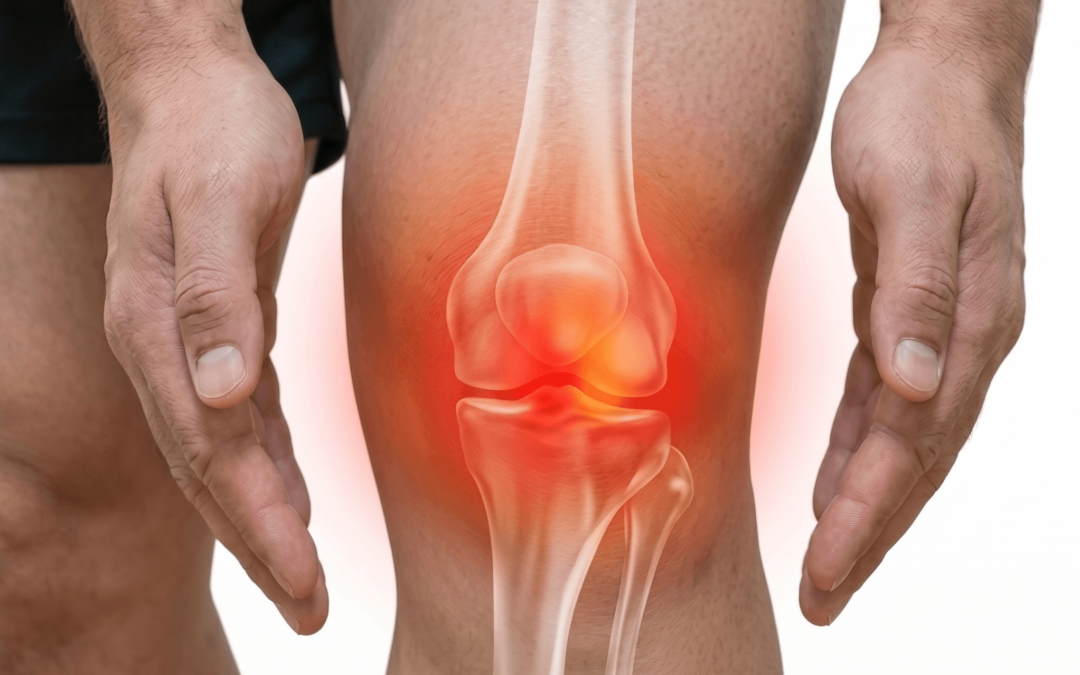
Bones are only part of the story. Joints are cushioned by cartilage and supported by muscles and tendons. In our 30s, joints are often at their peak unless injured earlier. Over time, cartilage can wear down, leading to osteoarthritis, the most common arthritis in adults.
Osteoarthritis typically develops gradually. Symptoms include joint pain, morning stiffness, reduced range of motion, and sometimes swelling. Knees, hips, hands, shoulders, and the spine are commonly affected. Diagnosis is usually based on symptoms and exam; X-rays may show joint-space narrowing. Advanced imaging is usually reserved for persistent symptoms or surgical planning.
You can reduce osteoarthritis’ impact. Maintaining a healthy body weight lowers stress on weight-bearing joints. Regular, appropriate exercise strengthens supporting muscles and improves stability. Supportive footwear and good technique help during physical activity.
Treatment usually begins with strengthening and function-focused exercises; even simple tools (like therapy putty for hand arthritis) can help. Pool-based programs may be easier on joints. Physical and occupational therapists can provide tailored guidance. I got help for my knee osteoarthritis from a physical therapist and found that compression gloves help my sore thumb (although my writing since medical school is still terrible). Assistive devices (canes, braces, orthotics, splints) can reduce pain and improve mobility. For pain relief, non-prescription acetaminophen or anti-inflammatories such as ibuprofen or an anti-inflammatory cream (e.g., diclofinac) may help. Steroid injections can provide short-term relief for some hip or knee arthritis. For severe cases, joint replacement can be highly effective; many hip and knee replacements last up to 25 years. (See Table 2 – Medical Treatments for Osteoarthritis)
Some complementary approaches (such as acupuncture) may help some people, while others have limited evidence and are generally not recommended.
Bone loss and joint changes are common with age, but loss of mobility does not have to be. Regular movement, balanced nutrition, appropriate screening, and informed treatment choices can make a meaningful difference. If you have ongoing joint pain or concerns about fracture risk, talk with your healthcare provider.
Table 1. Medication Treatments for Osteoporosis
| Treatment | How to take | Who should be considered |
Effectiveness (ARR) |
Potential common adverse effects |
|
Bisphosphonates (alendronate, risedronate, or zoledronic acid) |
Pill: taken mornings on an empty stomach daily or weekly (zoledronic acid is given intravenously (injection in a vein) yearly; higher cost |
Consider for 10-y fracture risk of 15-19.9% and recommended for fracture risk >20% OR low bone density and <age 70 years; also following 12-mo treatment with monoclonal antibody |
Prevents hip (ARR 1%) and vertebral fractures (ARR 6%) |
Gastrointestinal problems*, muscle aches, dizziness, headache; the most serious side effect is jaw bone breakdown (zoledronic acid: kidney problems) |
|
Monoclonal antibodies† (denosumab or romosozumab) |
Subcutaneous (under the skin): every 6 months or monthly |
Unable to take bisphosphonate. Patient with several OP-related fractures or severe vertebral (back) fracture |
Prevents hip (ARR 1%) and vertebral fractures (ARR 9%) | Deep infections (e.g., endocarditis) cancer, and skin rash |
Abbreviations: ARR, Absolute risk reduction (for example from 10% risk to 8% risk); y, year
*Gastrointestinal problems include abdominal pain, heartburn, nausea, constipation, diarrhea, flatulence, and esophagitis.
†These medications can be expensive ($830 CAD without insurance and ~$340 with insurance) but are paid for in BC by Pharmacare with special authority approval
Table 2. Medical Treatments for Osteoarthritis
| Treatment | Description | Effectiveness for pain | Potential adverse effects |
|
Medications
|
Many of these medications are available non-prescription. Follow package directions for dosing |
|
|
| Steroid injections (many joints) | Steroid medication injected into joints | Effective for weeks to a few months | Local pain and bruising, brief increased in blood sugar; rarely infection or joint or nerve damage |
| Joint replacement | The damaged joint is replaced with artificial parts (prostheses) made of metal, plastic, or ceramic | Highly effective | Infection, blood clots, nerve damage, and implant problems (loosening, wear, dislocation) |
*Topical preparations are available and cause fewer adverse effects; ibuprofen is used with caution in those over age 70 years due to increased risk of adverse effects like kidney problems.
†stomach upset, heartburn, nausea, bloating; these medications can infrequently lead to serious health issues like stomach ulcers and high blood pressure
Click/Tap the LIKE button to share via email, instagram, Facebook and More!

Get the articles direct to your inbox!