Article #16
Healthy People, Healthy Communities
Weight and Health: Looking Beyond the Number on the Scale
In this Empowering the Citizen Patient article, retired family physician Dr. Mindy Smith explores the complex relationship between weight and health. Drawing on years of clinical experience, she explains why weight is only one part of the picture and offers practical, realistic steps to support overall health and well-being.
Many of us worry about our weight. It is often something we think about when we talk about health. But weight is just one number, and it does not tell the whole story.
What we think of as the “ideal” body has changed over time and is often shaped more by culture and trends than by actual measures of health. Different cultures also carry their own beliefs about body size. All of this can make conversations about weight feel confusing and sometimes discouraging.
Factors that affect our body weight, body fat and health
Health is influenced by much more than weight. Genetics, access to health care, where we live, income, education, and even medications all play a role. Food access, cultural traditions, and lasting impacts of colonization also shape eating patterns and body weight.
In clinic, it is common to meet people who feel frustrated. They may say, “I’ve tried everything, and nothing sticks.” More often, the story is not about willpower. It is about busy lives, stress, limited access to healthy food, medications, health conditions, and routines that can be hard to change.
There are some common contributors to unwanted weight gain that people may be able to work on, including:
- Eating patterns,
- Physical activity, and
- Emotional stress.
The goal is not perfection. It is progress, support, and changes that can be maintained.

Health concerns influenced by body weight
Healthcare providers sometimes use body mass index (BMI) and waist measurements to assess weight. These tools are not perfect, and they do not fully reflect body fat or overall health. Still, they can help identify when weight may be linked to increased health risk. Higher body weight, especially around the waist, is associated with heart disease, high blood pressure, stroke, type 2 diabetes, osteoarthritis, and some cancers, including breast and bowel cancer.
Eating Patterns & Weight Loss
When people try to improve their health, many turn to dieting. But strict diets are hard to maintain. They can increase appetite, reduce energy, and often lead to regaining weight. A more helpful approach is to make small, steady changes that support health and can last.
Canada’s Food Guide offers a flexible way to think about eating. It is not about following a strict plan, but about making simple shifts. Eating regular meals at home and with others, can help support steadier eating habits. Adding more vegetables and fruit improves nutrition without feeling restrictive.
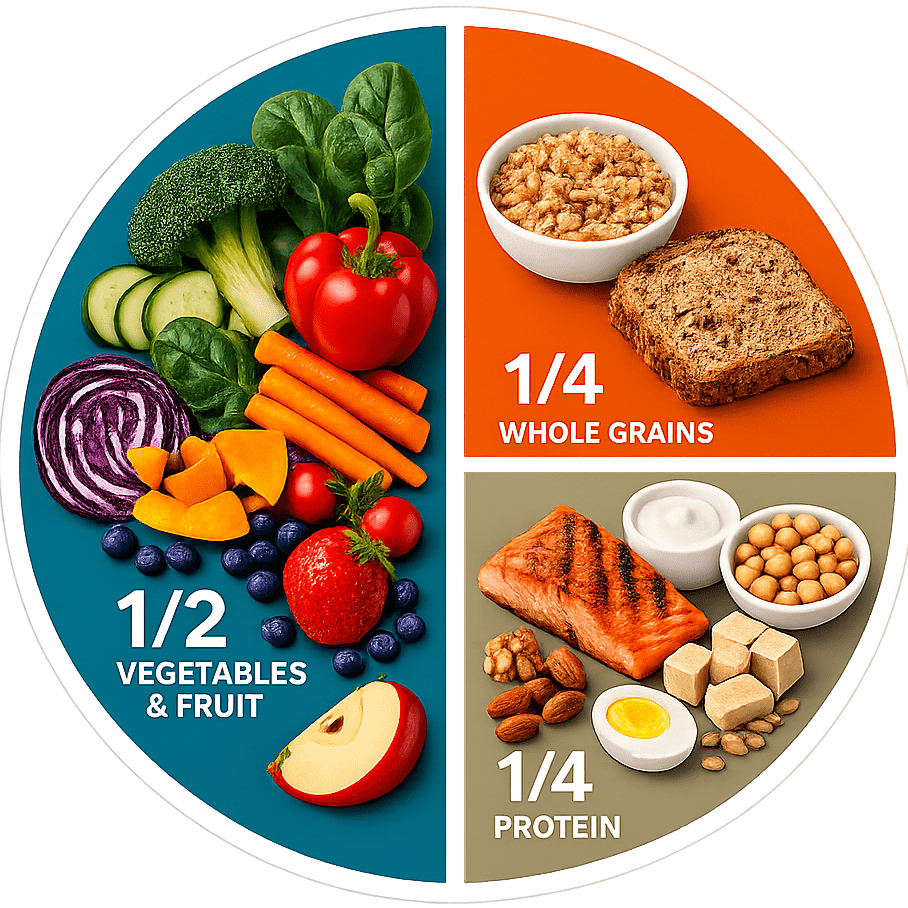
Choosing whole grains like brown rice or whole grain bread can help you feel full longer and support blood sugar control.
Including protein with meals and snacks is also important. Foods like fish, beans, lentils, nuts, and tofu support heart health, while yogurt, eggs, and lean meats are also good options. At the same time, limiting highly processed foods, such as sugary drinks, salty snacks, and processed meats, can reduce excess sugar, sodium, and unhealthy fats. Even small changes, like choosing air-popped popcorn instead of chips, can make a difference.
For those who want more support, registered dietitians can offer guidance that fits individual needs, culture, and preferences. In British Columbia, support is available through HealthLinkBC by calling 8-1-1, as well as through many primary care clinics and community health centres.
Physical Activity
Physical activity is another key part of health. Exercise alone may not lead to significant weight loss, but it offers many clear benefits. Regular movement improves heart health, builds strength, supports mental well-being, and helps maintain health over time.
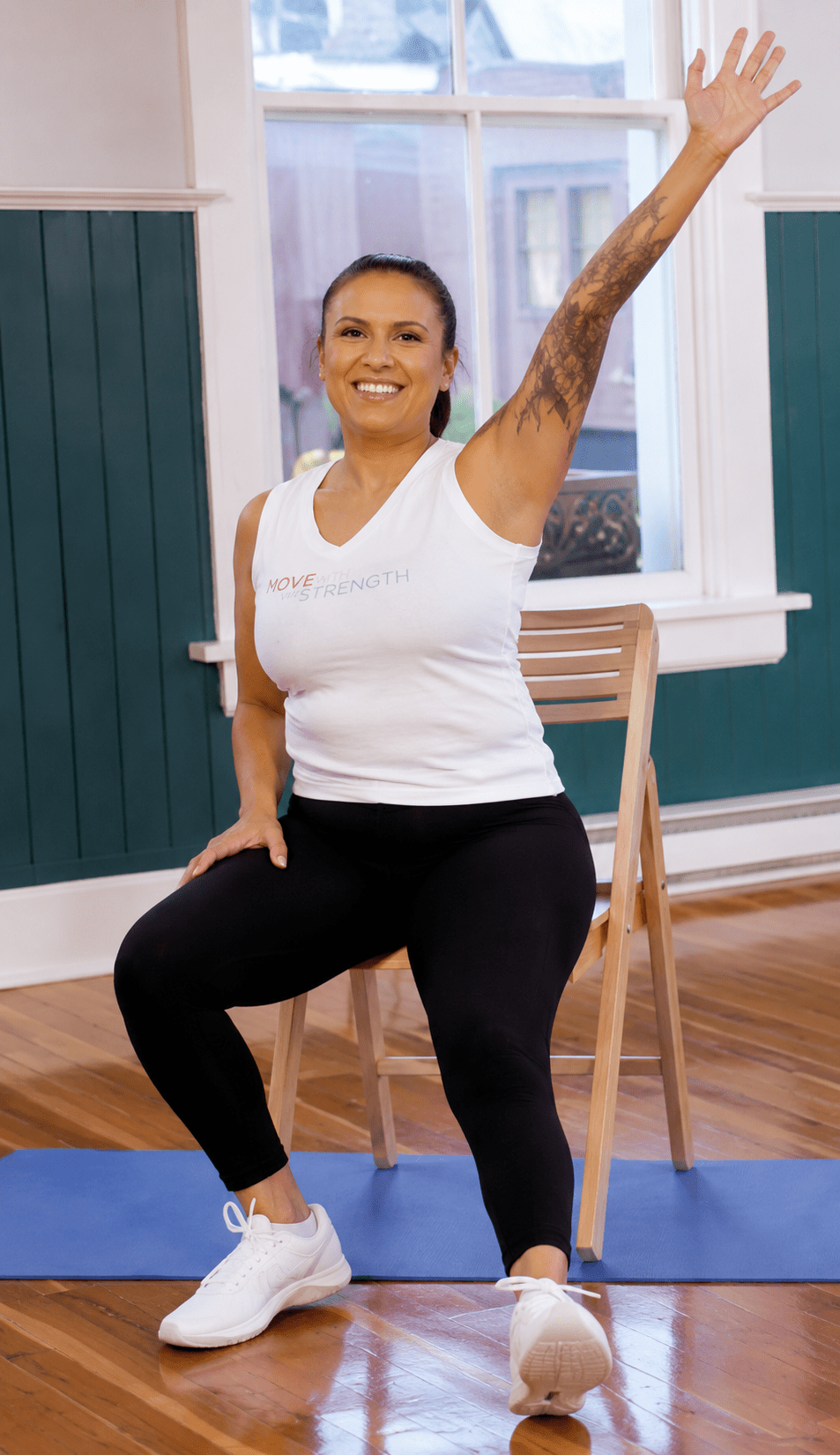
A mix of aerobic activity, such as brisk walking or cycling, and strength training is recommended. Even short walks or simple strength exercises can build confidence and momentum.
Making changes that last is challenging. Writing down personal reasons for improving health can help keep goals meaningful. Planning meals, keeping healthy foods within reach, and drinking more water are simple but effective steps.
Tracking progress through step counts, activity logs, or regular check-ins can also help. Finding non-food ways to reward progress can reinforce positive habits.
Medication Therapy
When lifestyle changes are not enough, medications may be considered. Medication works best alongside changes in eating and activity. These can lead to modest weight loss, typically ranging from about 3 to 16 percent of body weight. They are often used for people with conditions like diabetes that are affected by weight. Side effects are common and usually involve the digestive system, such as nausea or changes in bowel habits.
In some cases, surgery may be recommended. These procedures reduce the size of the stomach, sometimes along with changes to the intestines, to limit food intake and absorption. Surgery is usually considered for people with higher body weight and related health conditions that have not improved with other treatments. While effective, it carries risks and requires long-term follow-up.
Health is shaped by many factors, our bodies, our experiences, our environment, and the supports available to us. There is no single “right” weight and no one path that works for everyone. Supportive, stigma-free conversations about weight and health can make it easier for people to seek care and make decisions that support their well-being.
Improving health is not about the number on the scale. It is about making small, steady changes that support how you feel, how you move, and how you live.
Looking for more practical support?
Get KB PACC’s Weight & Health Guide, or ask for a printed copy at your local practitioner’s clinic.
WIN One of Two $50 Grocery Cards
We would love to hear from you!
What did you think of the Weight & Health guide?
Please complete our short survey here!

Get the articles direct to your inbox!